Review and Photography by Thom Hooper
Bright Eyes with Lullaby for the Working Class | The Orange Peel, Asheville, NC | October 10, 2026
The drive into Asheville on Saturday evening was anything but pleasant, as torrential rain battered the interstate, leaving substantial amounts of standing water across the roadway and creating conditions where hydroplaning was an ever-present concern. Sudden bursts of rainfall made it nearly impossible to see through the windshield, even with the wipers working at full speed, and perhaps most unnerving was how quickly the conditions changed. One moment, drivers were navigating a relentless downpour, only for the rain to nearly disappear before returning just as aggressively moments later.
With the remnants of Hurricane Isaias bringing heavy rainfall to Western North Carolina, along with concerns surrounding flash flooding, landslides, and power outages across the region, it was the kind of evening that could easily convince you to stay home. Fortunately, Bright Eyes fans had other plans; showing up in force to pack Asheville’s The Orange Peel for a night of memorable performances featuring the long-awaited reunion of Lullaby for the Working Class and a Bright Eyes setlist that reached deep into the band’s impressive catalog.
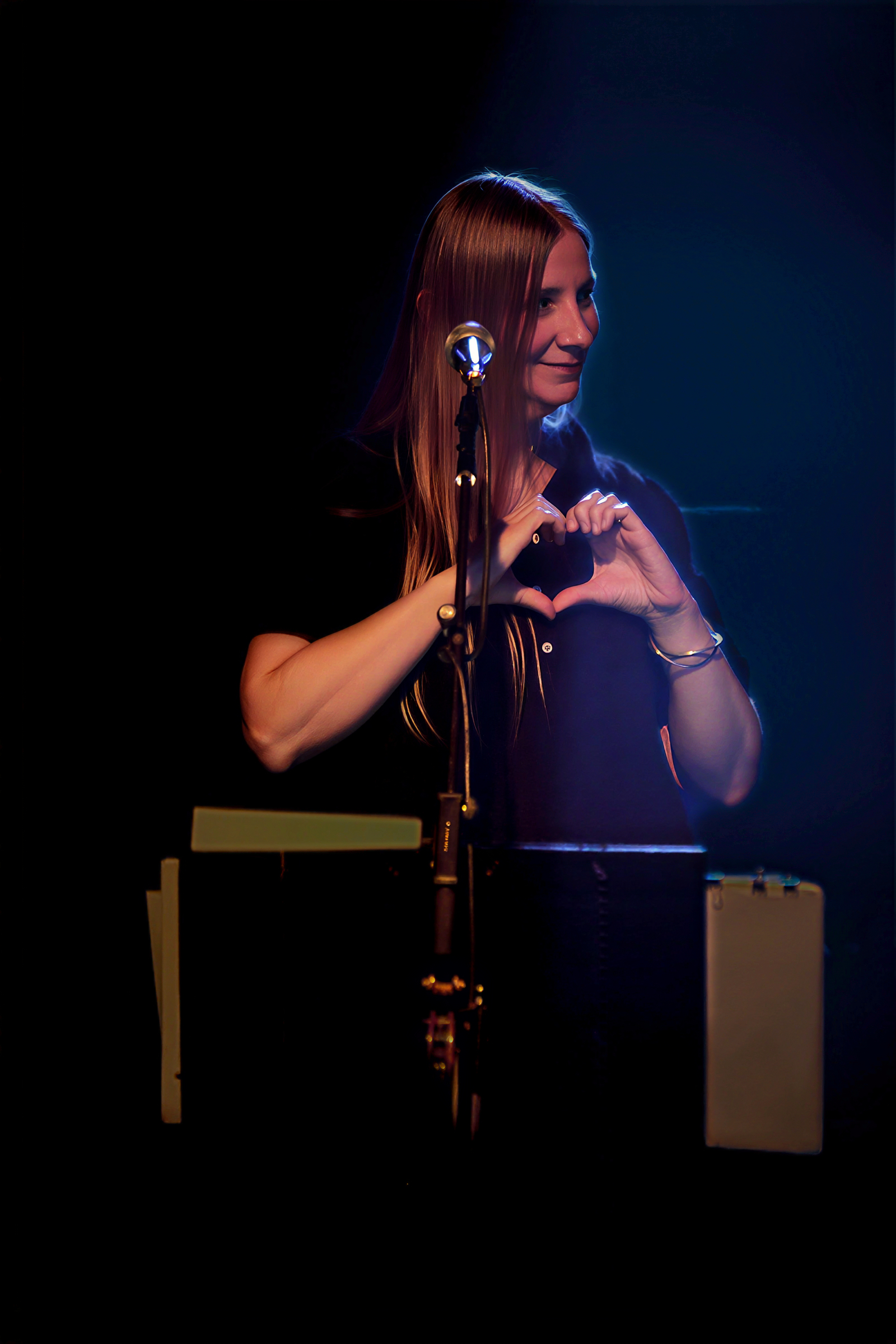
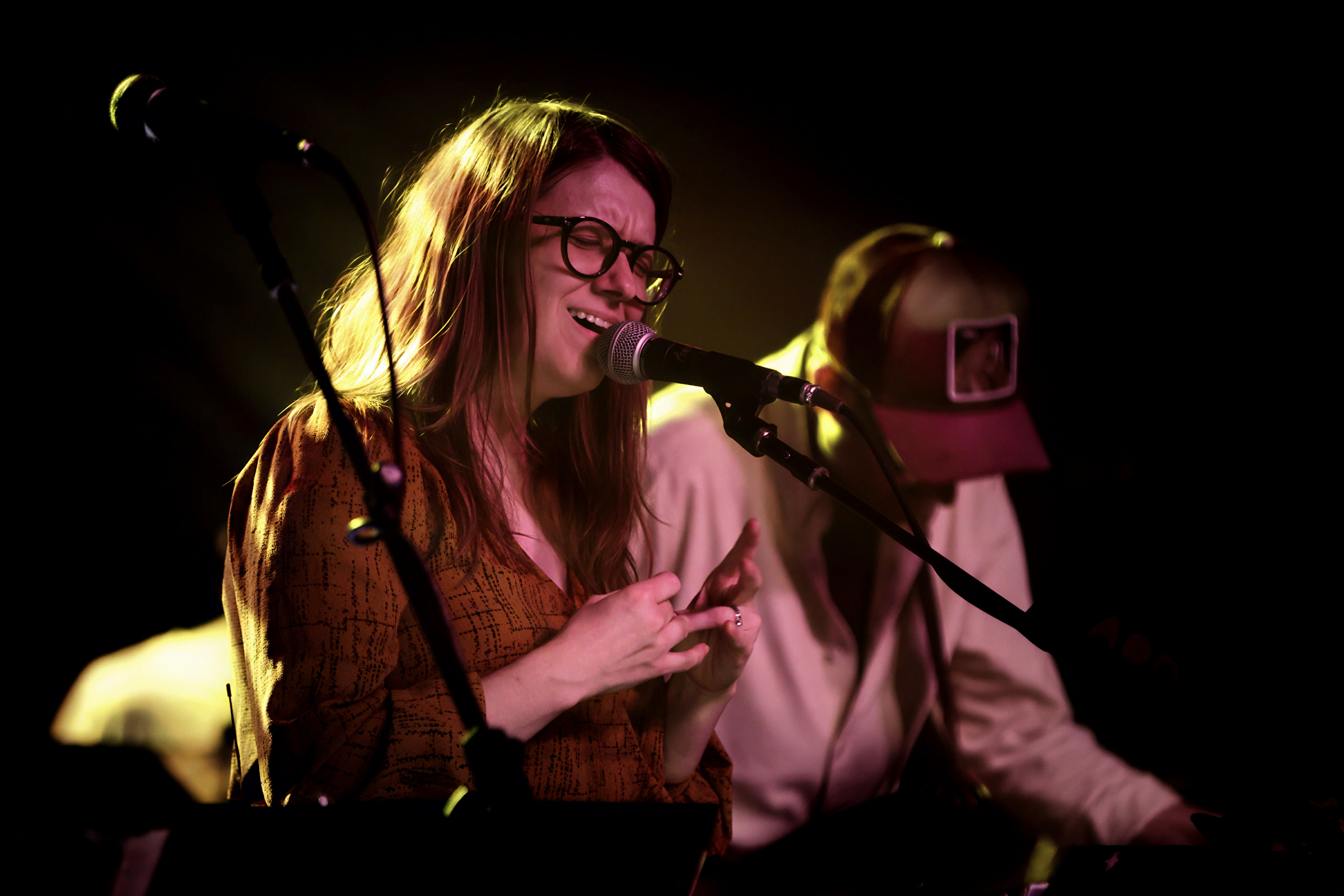
Joining Bright Eyes on their current tour is Lullaby for the Working Class, an influential Omaha folk band whose roots stretch back to the mid-1990s and whose musical history shares plenty of connections with Bright Eyes and the broader Saddle Creek scene. While this tour marks something of a reunion for the group, their performance in Asheville suggested that the years apart have done little to diminish their chemistry.
Led by Ted Stevens, also known for his work with Cursive and Mayday, Lullaby for the Working Class brought their distinctive blend of acoustic instrumentation, layered arrangements, and thoughtful songwriting to a room particularly well suited to their sound. Their music has a way of drawing listeners in without demanding their attention, allowing the individual instruments and subtle changes in arrangement to build into something far more compelling than the sum of their parts.
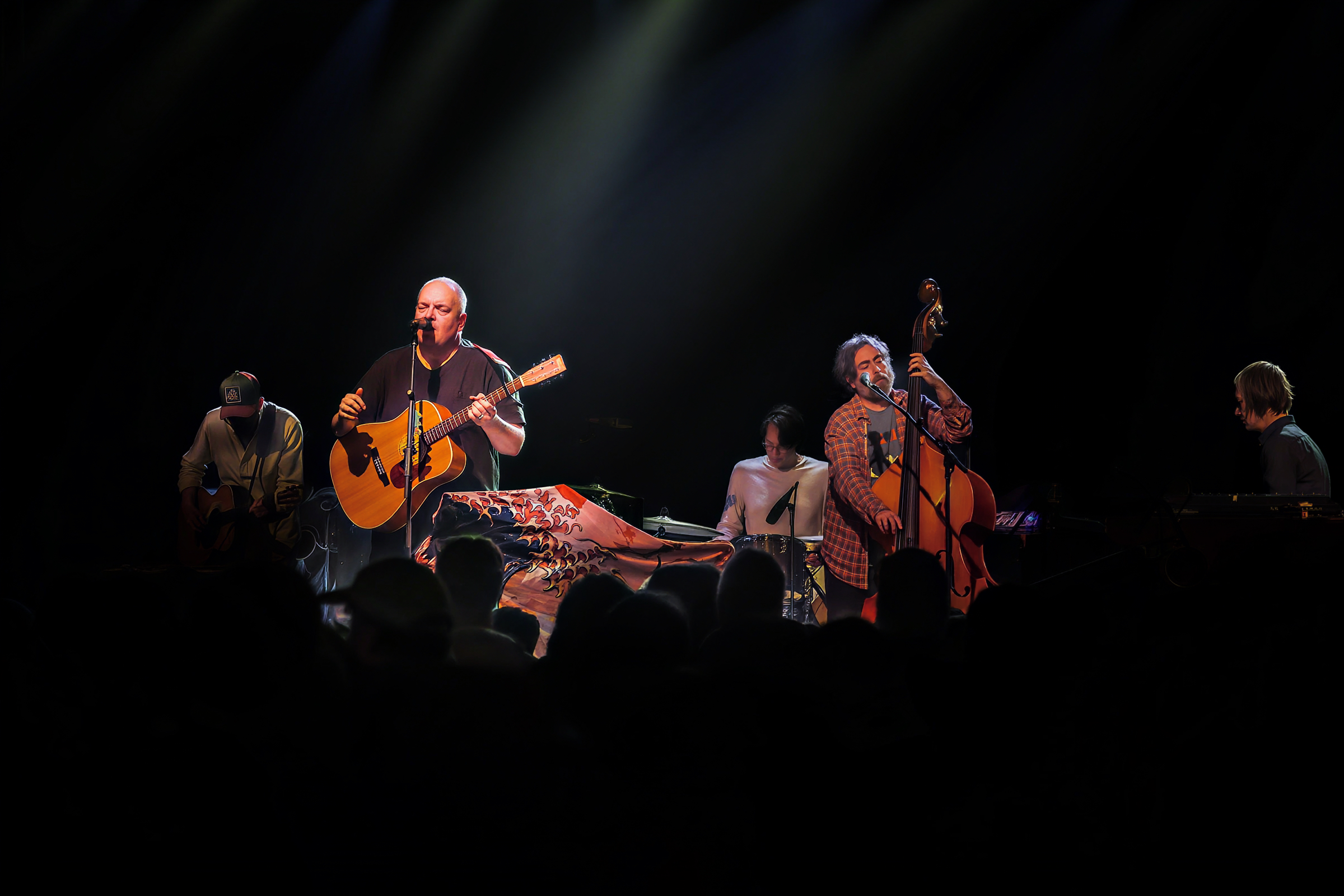
Stevens was an especially enjoyable presence throughout the set, interacting with the audience with an easygoing personality that made the performance feel less like a traditional opening slot and more like a group of longtime friends coming together to share their music once again. One of the band’s standout moments came during “Turpentine,” a song whose repeated question, “Where is your compassion?” remains just as affecting today as when it was originally recorded. The lyrical shift becomes particularly striking when Stevens turns the question inward, asking, “Where is my compassion?” It’s a subtle change in perspective that gives the song considerably more emotional weight, and hearing it performed live was a reminder of just how thoughtful the band’s songwriting can be.
For anyone unfamiliar with Lullaby for the Working Class, a song like “Hypnotist (Song for Daniel H.)” offers an excellent introduction to their sound, although their Asheville performance made a strong case for exploring considerably more of their catalog. Despite the reunion circumstances, the band sounded remarkably dialed in and cohesive, with the kind of musical familiarity that suggests these songs and arrangements have remained important to the musicians performing them.
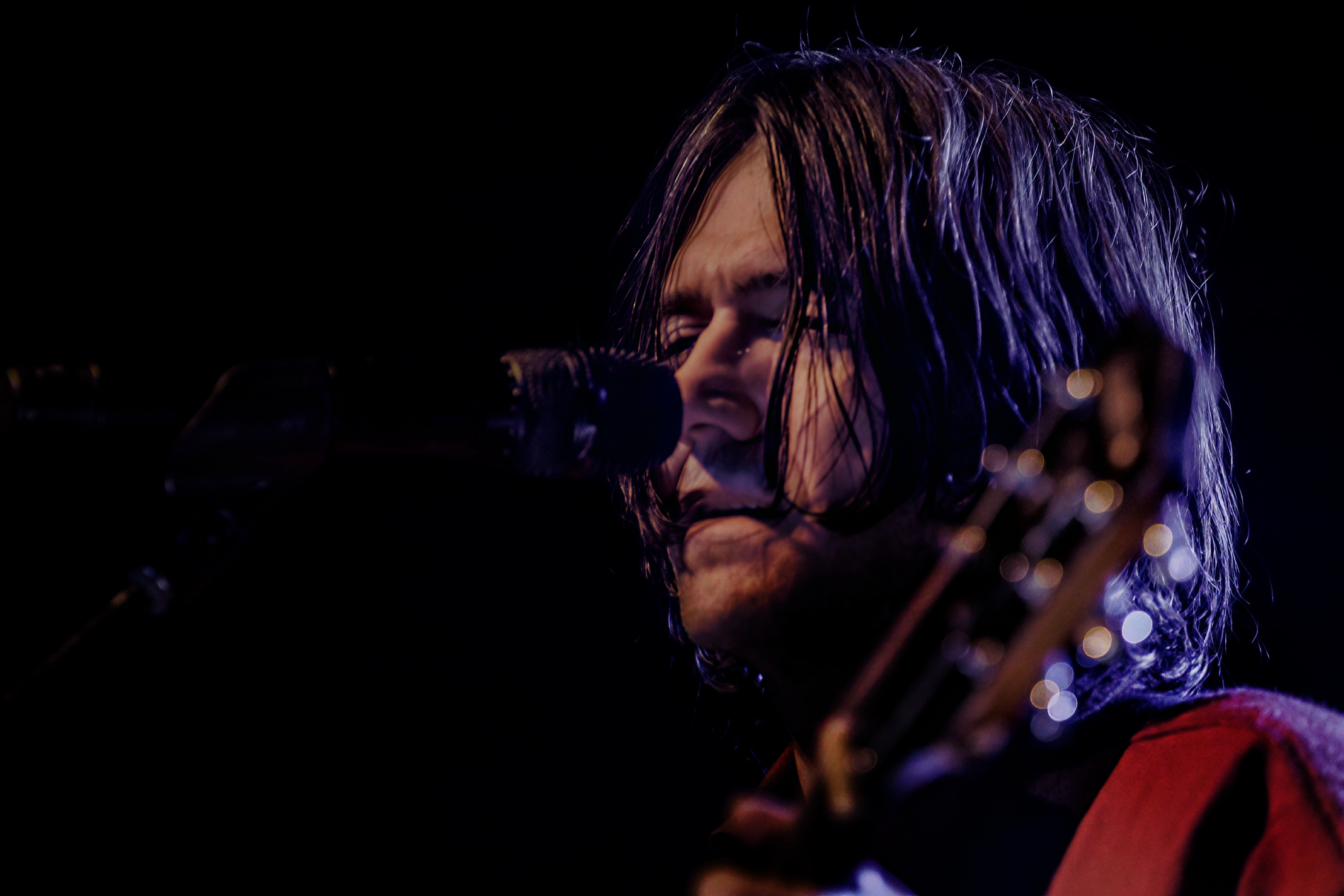
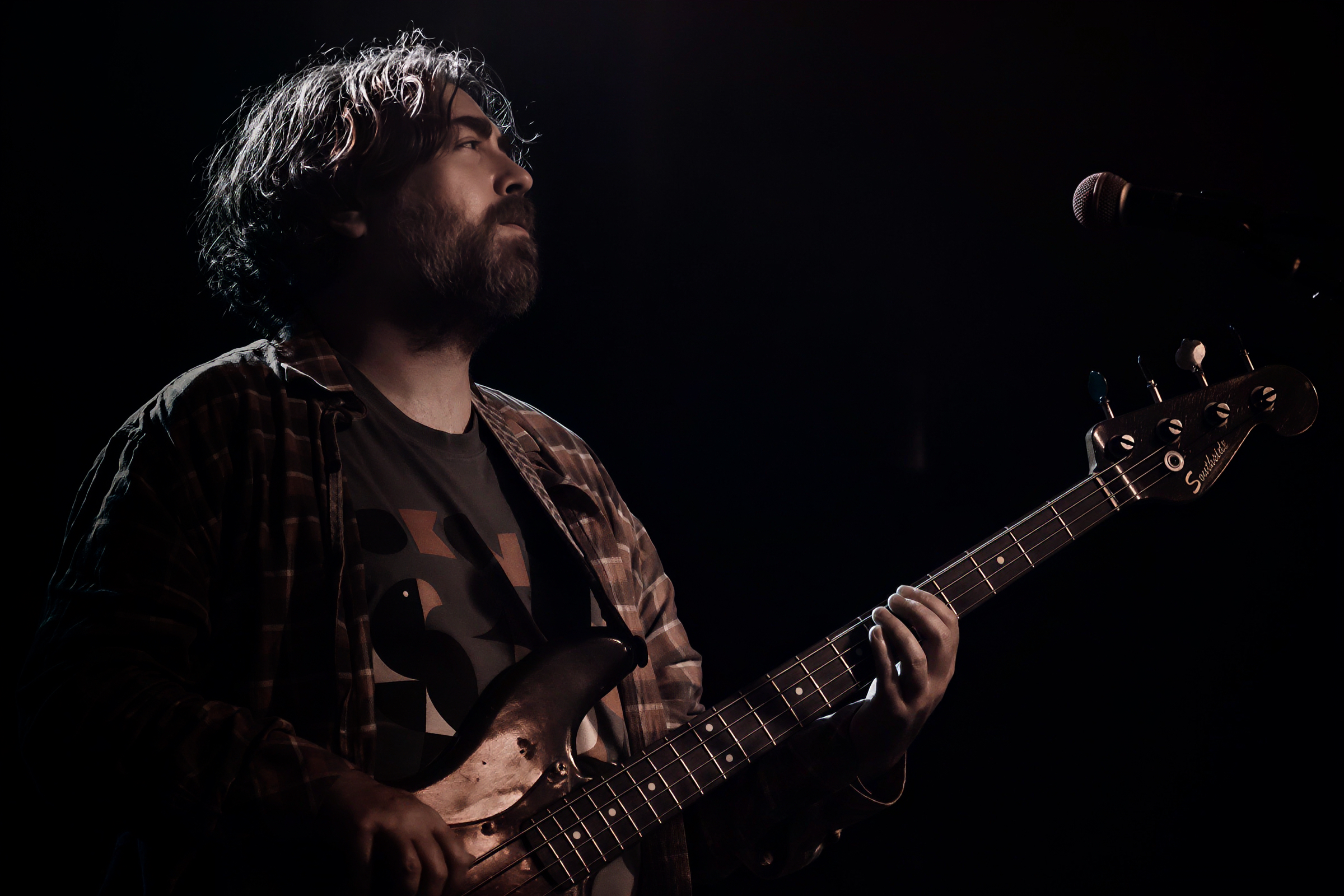
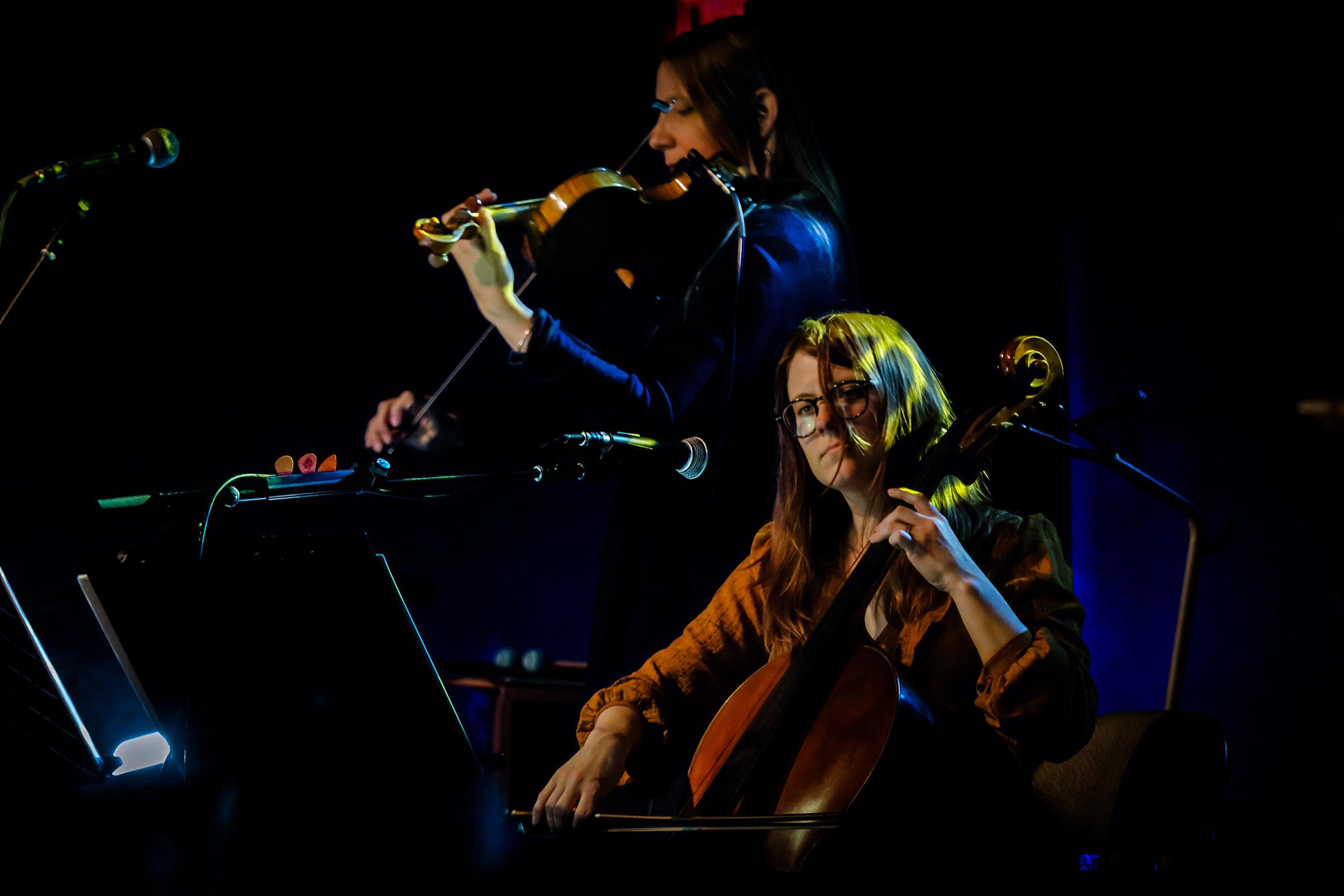
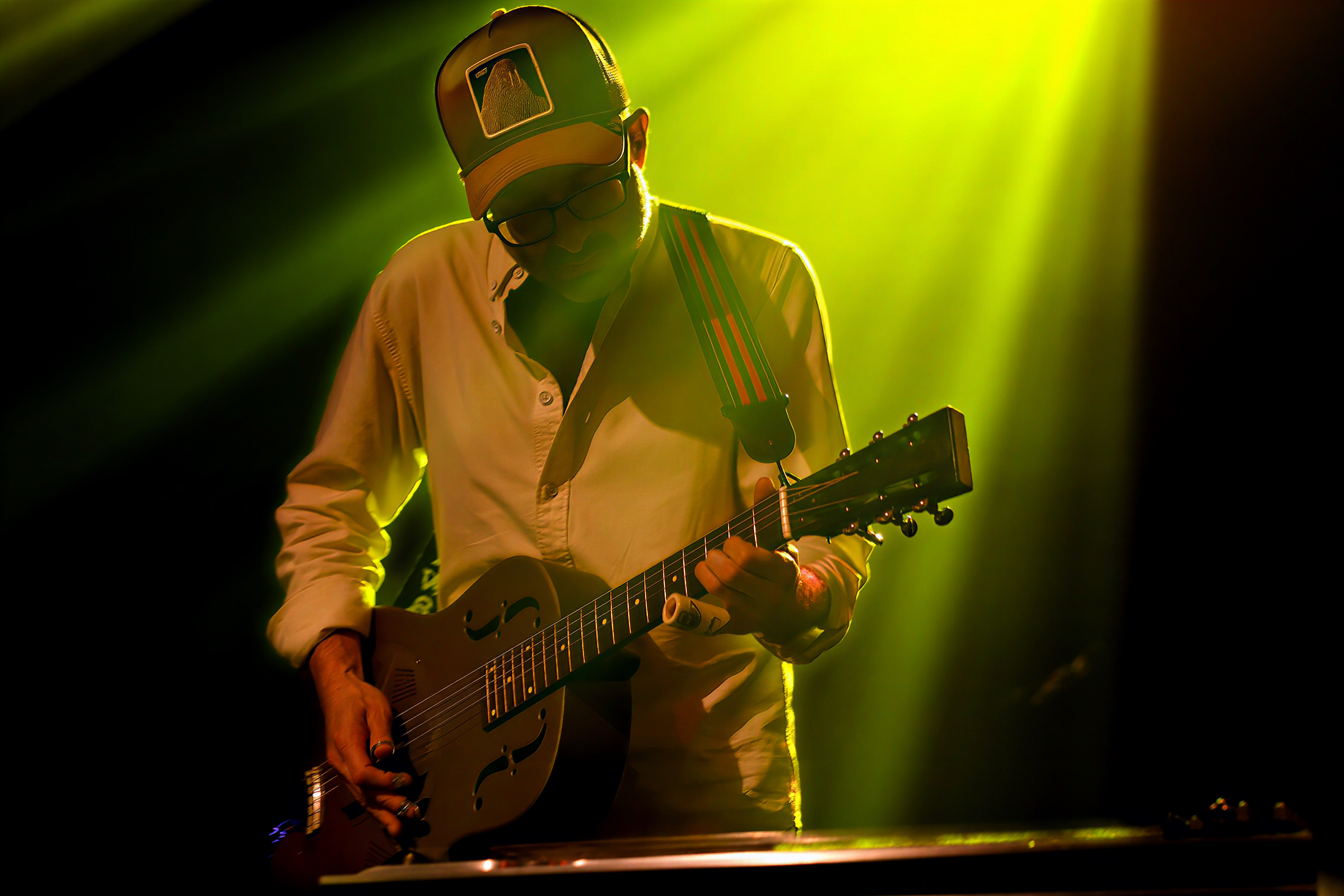
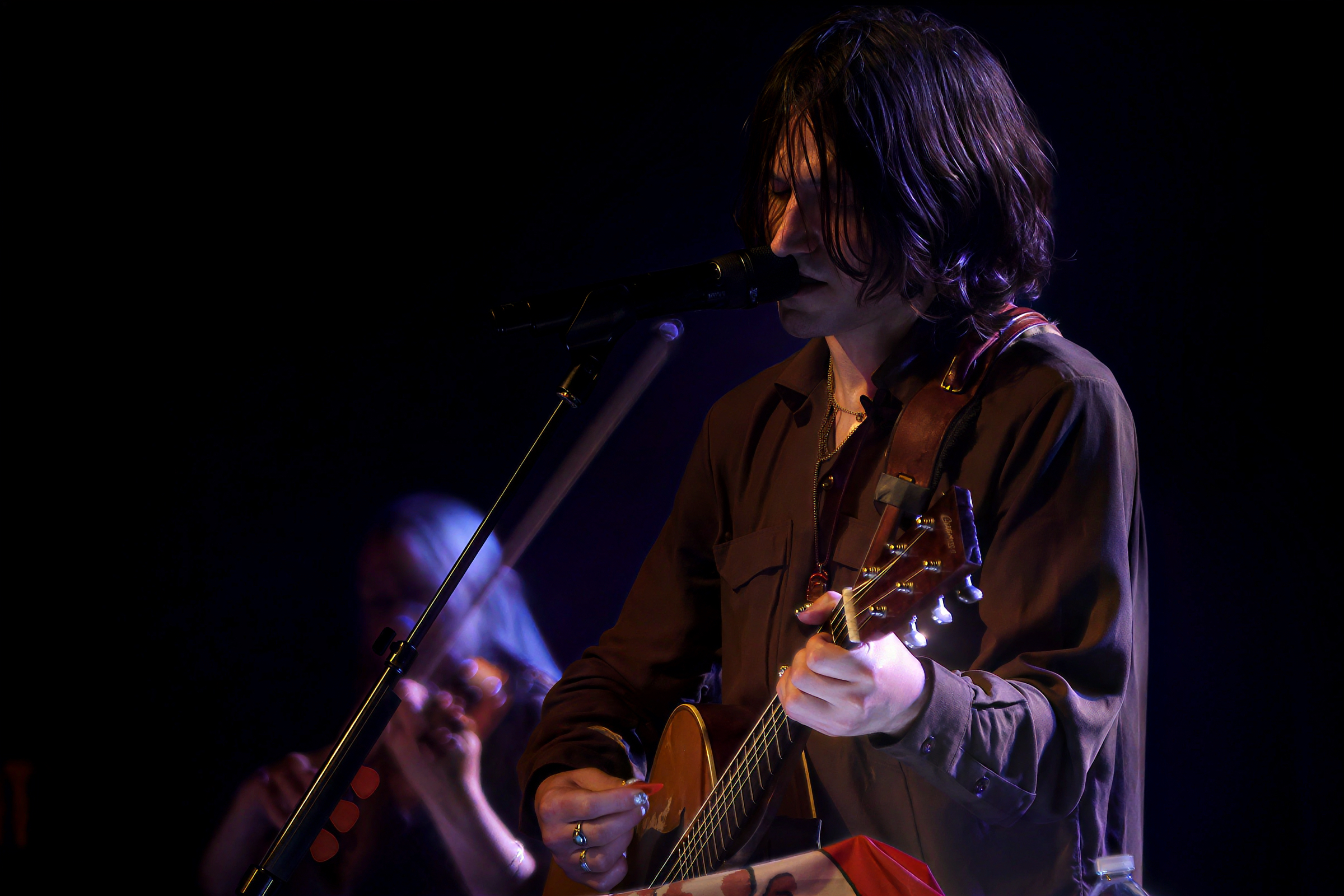
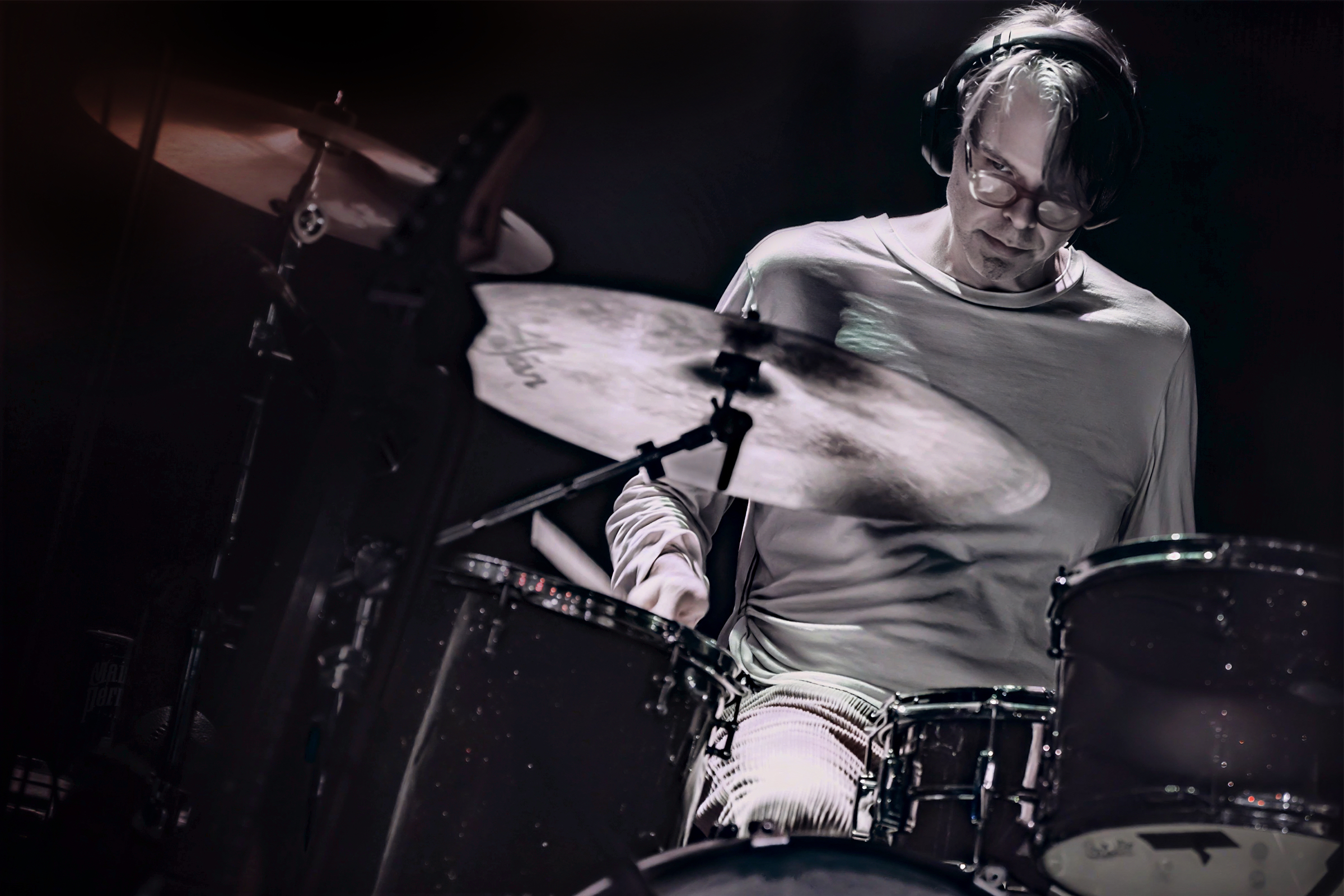
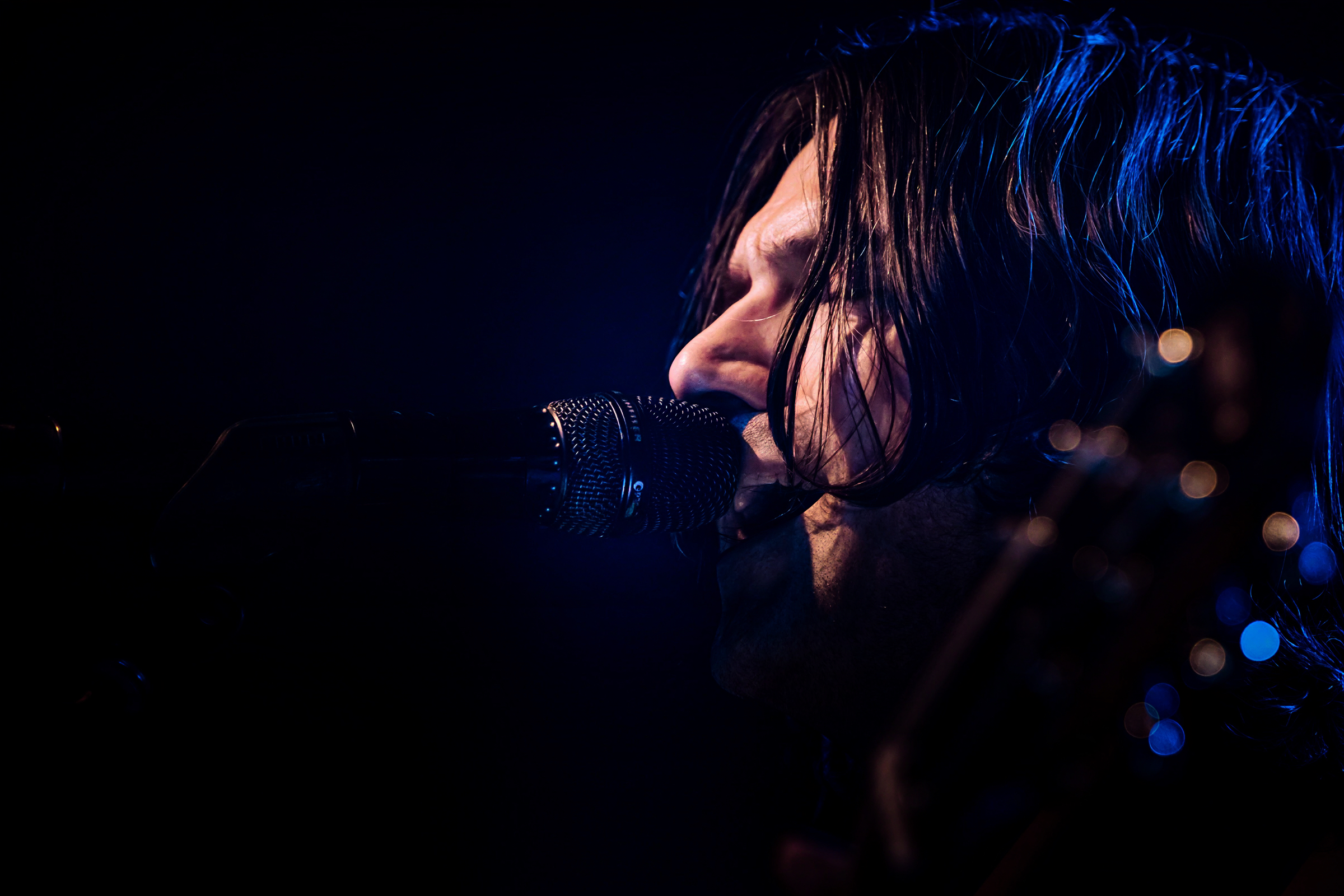
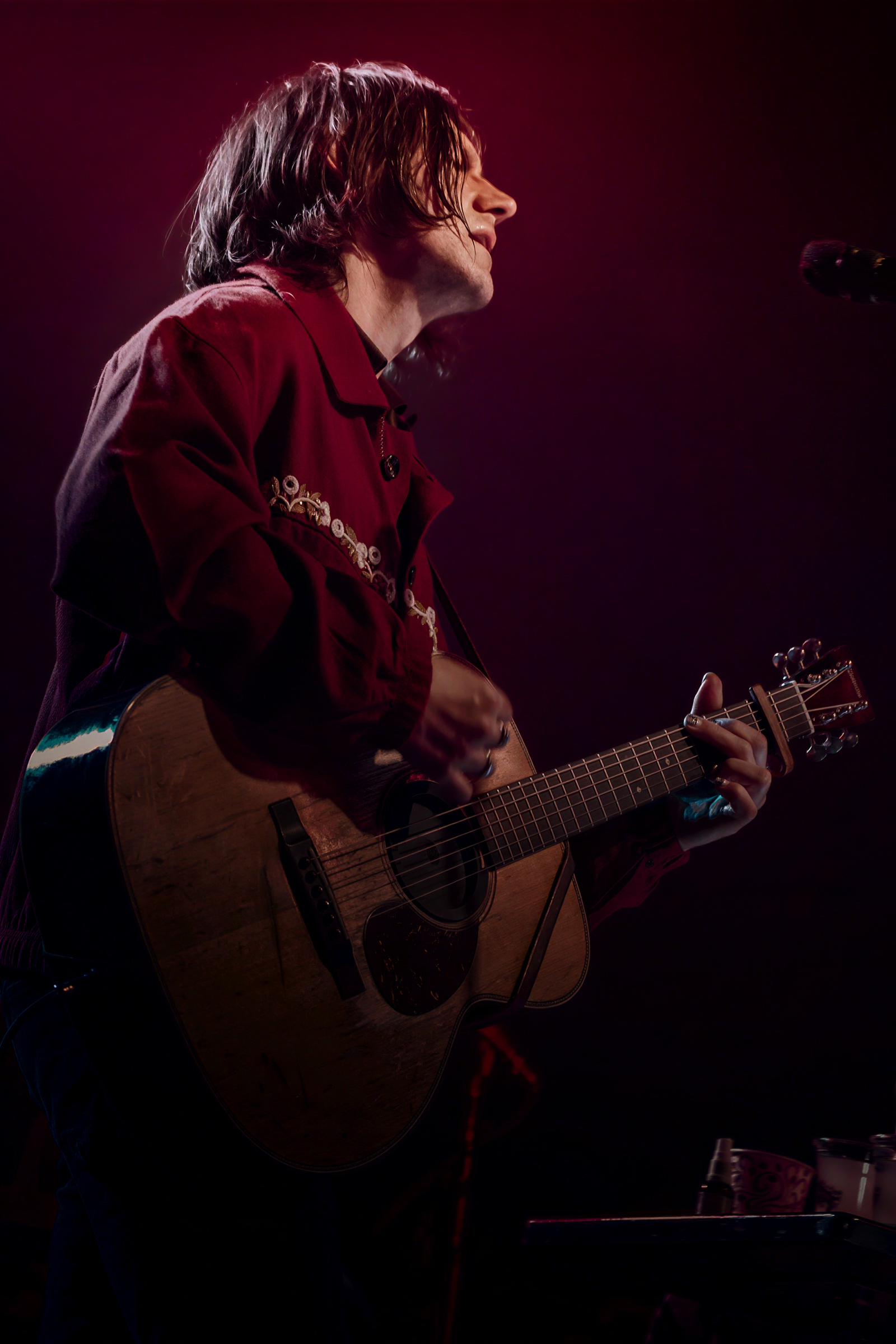
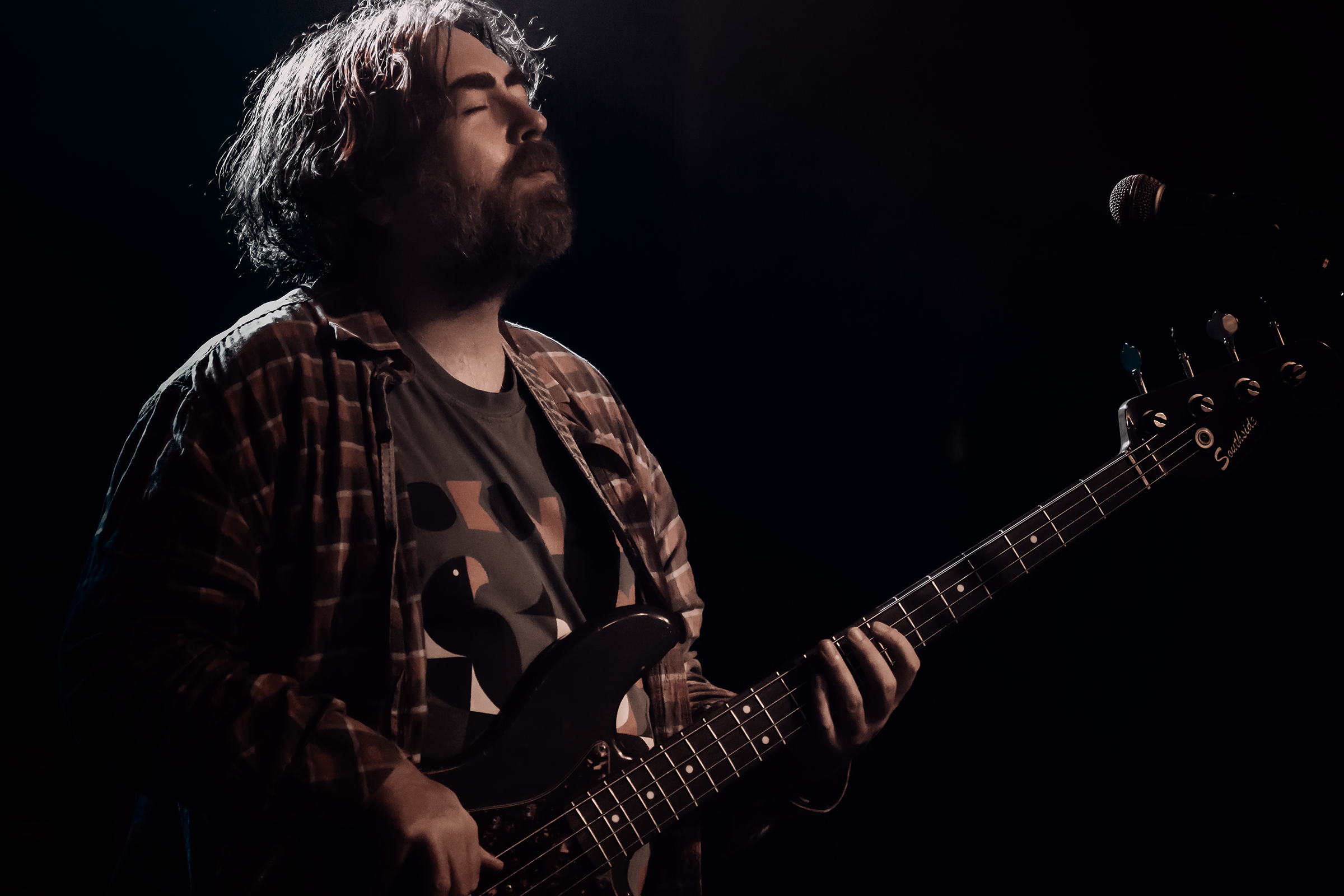
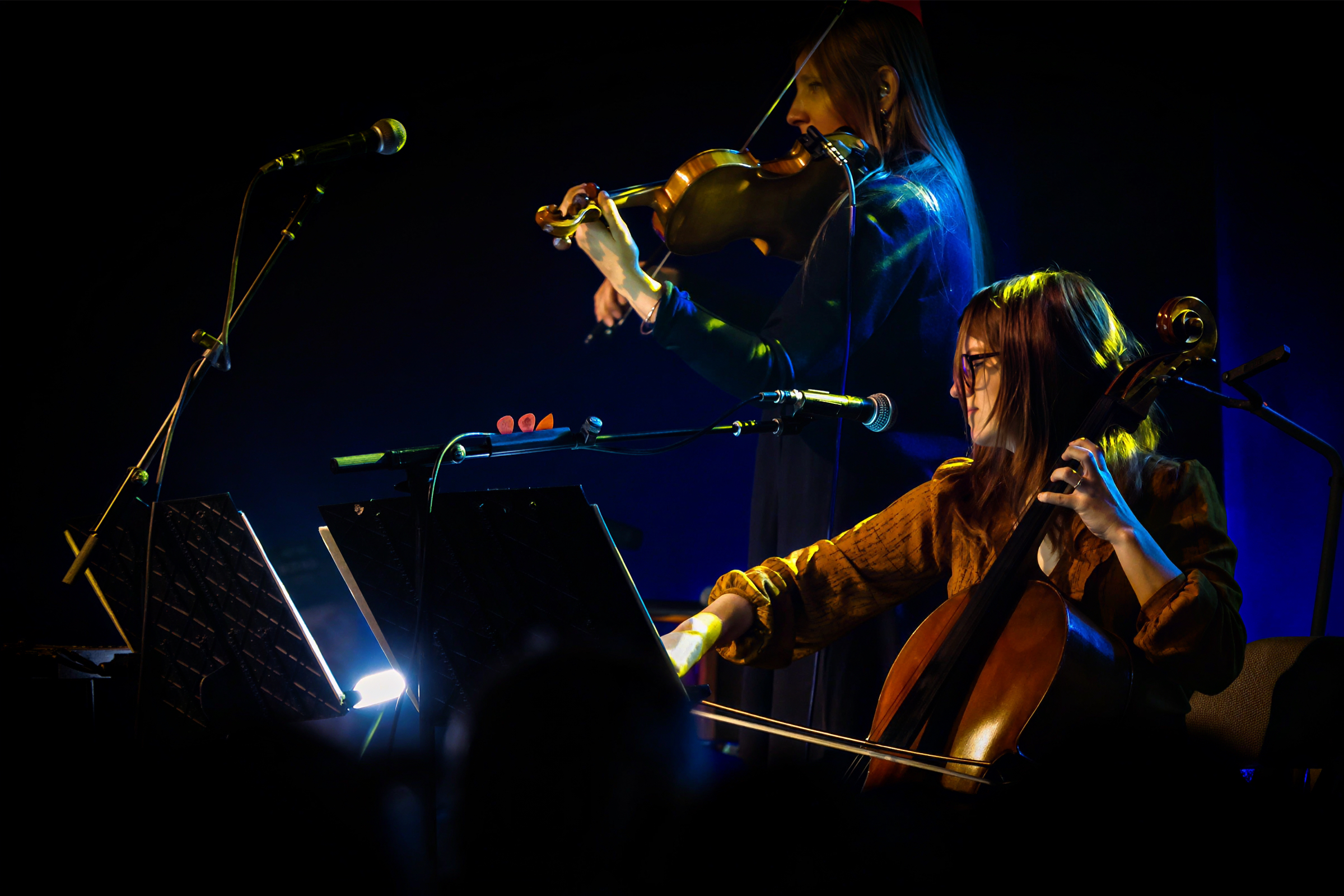
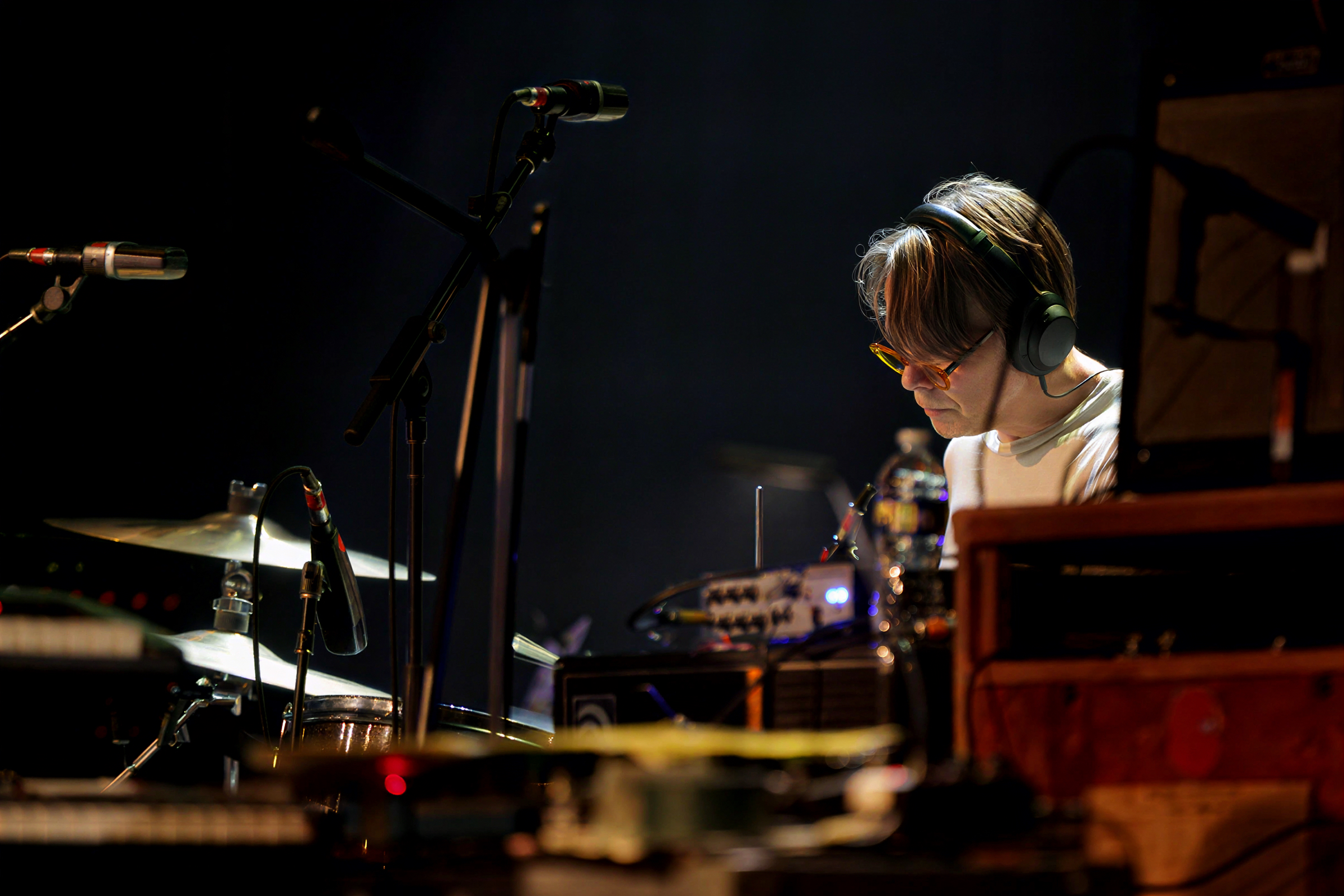
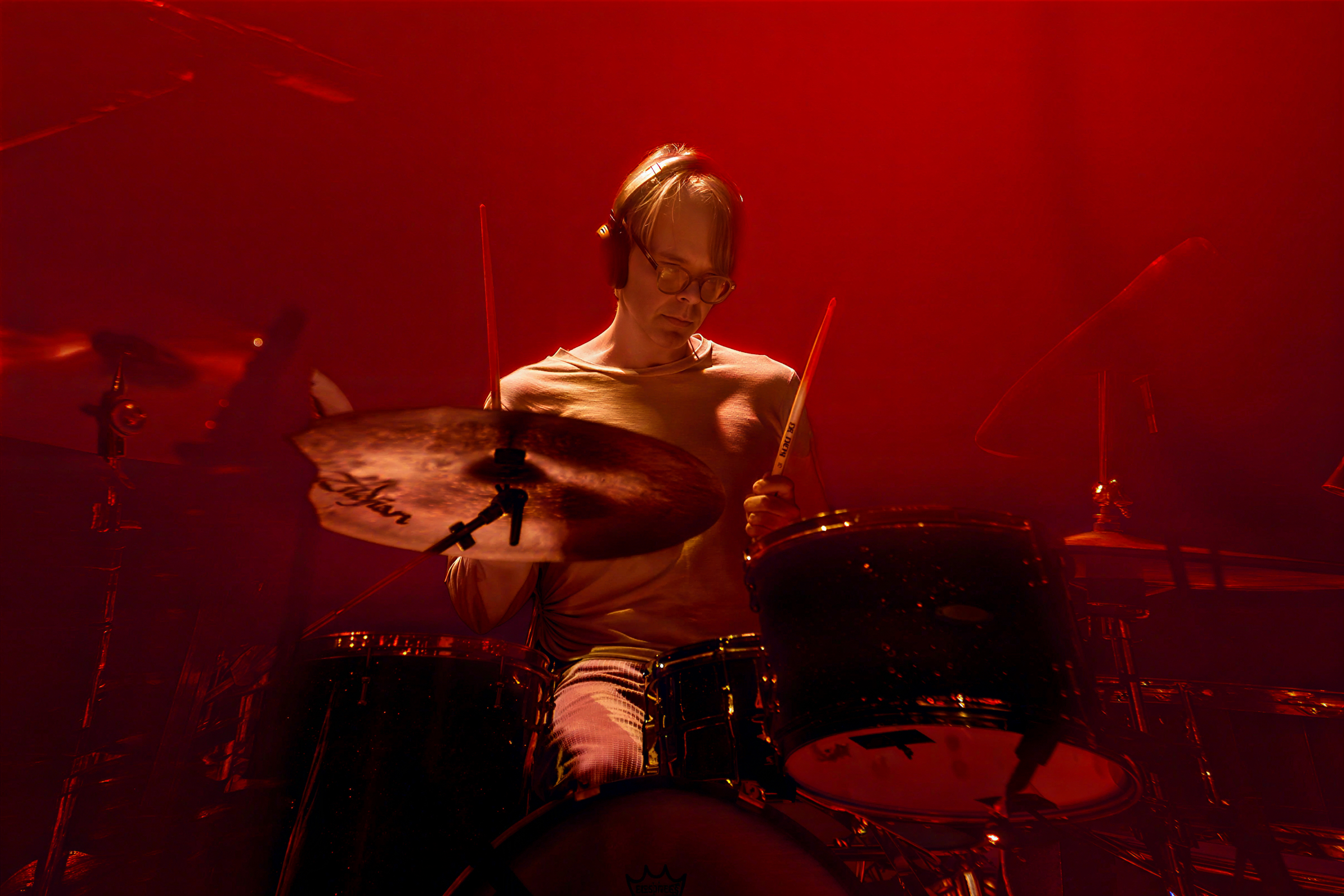
One of the more interesting parts of this tour is just how much of the performing lineup is shared between the two bands. As a result, the evening felt closer to a co-headlining event than a conventional opening act followed by the main attraction, and that was certainly not a bad thing. Alongside Bright Eyes’ three principal members, Conor Oberst, Mike Mogis, and Nate Walcott, the touring ensemble includes Ted Stevens contributing vocals and acoustic guitar, Shane Aspegren on drums, Macey Taylor on bass, and Megan Siebe and Tiffany Kowalski contributing backing vocals and additional string instrumentation. With so many musicians performing across both sets, there was a natural continuity to the evening that isn’t something you often experience at a concert like this.
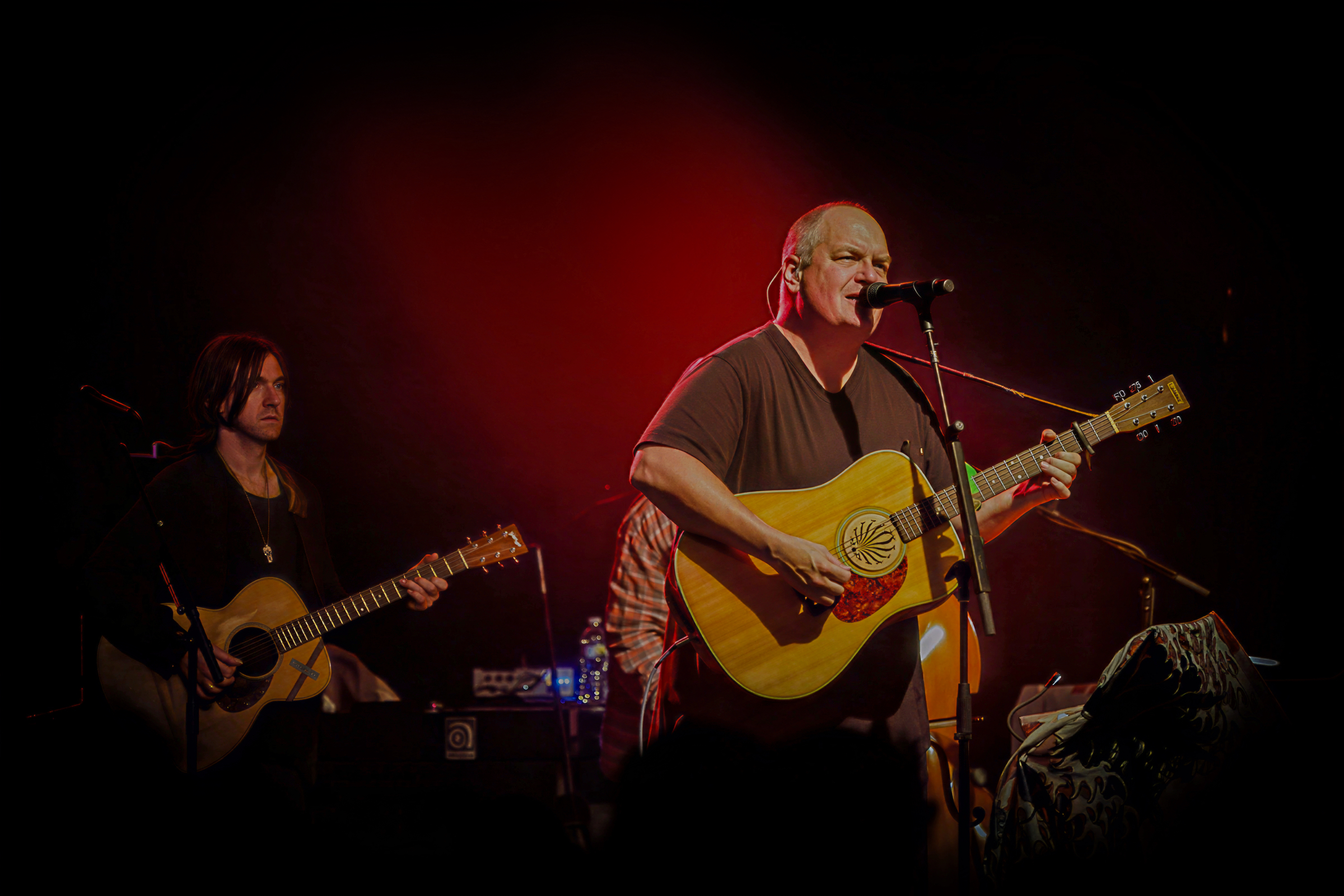
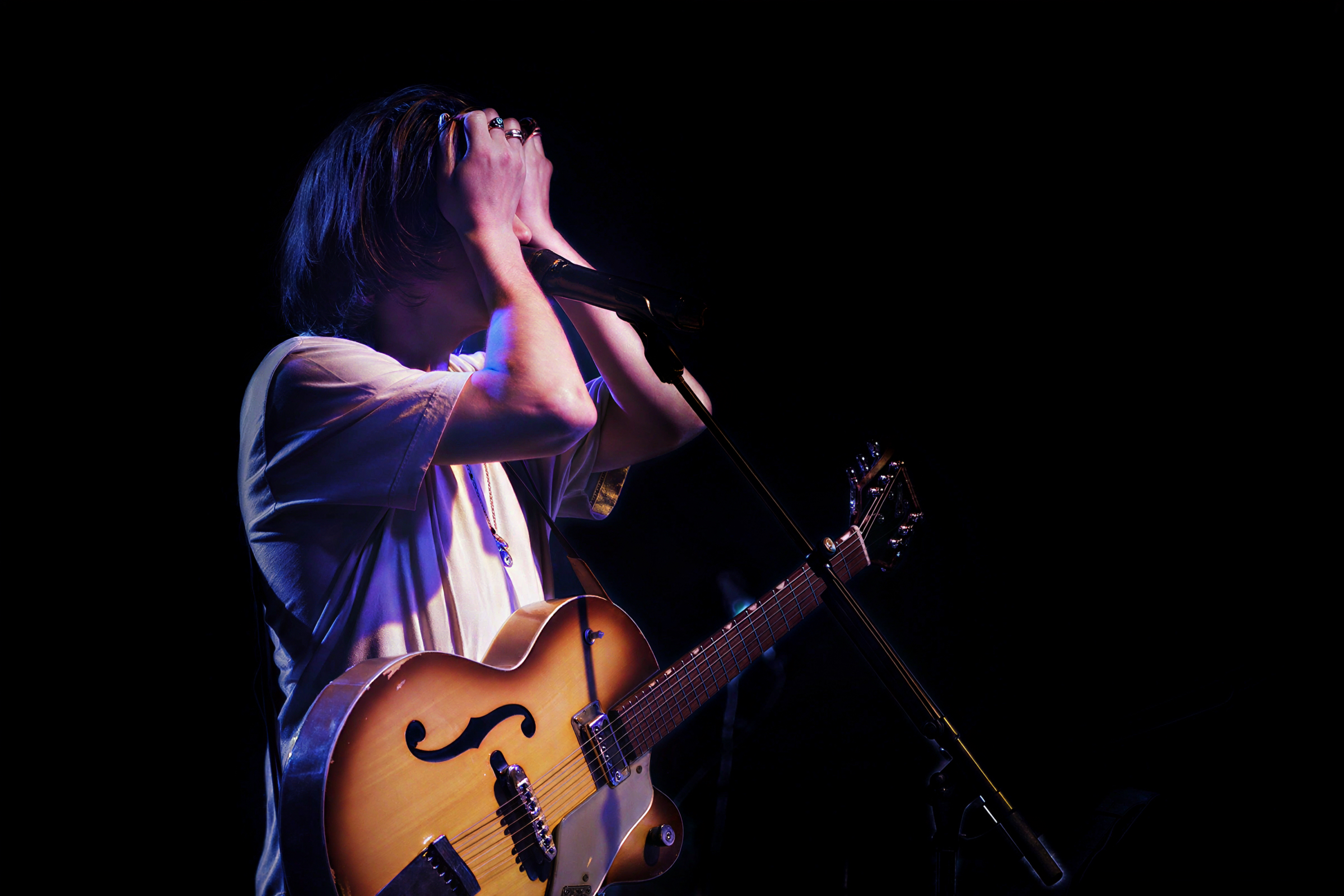
Oberst joined Lullaby for the Working Class during their performance, contributing backing vocals, while Stevens later returned the favor throughout Bright Eyes’ set. Following a brief intermission, many of the same musicians returned to the stage, shifting their attention to Bright Eyes’ expansive collection of songs. The transition made perfect sense, considering the musical relationships involved, and reinforced the feeling that the evening was as much a celebration of their shared history as it was a traditional tour stop.
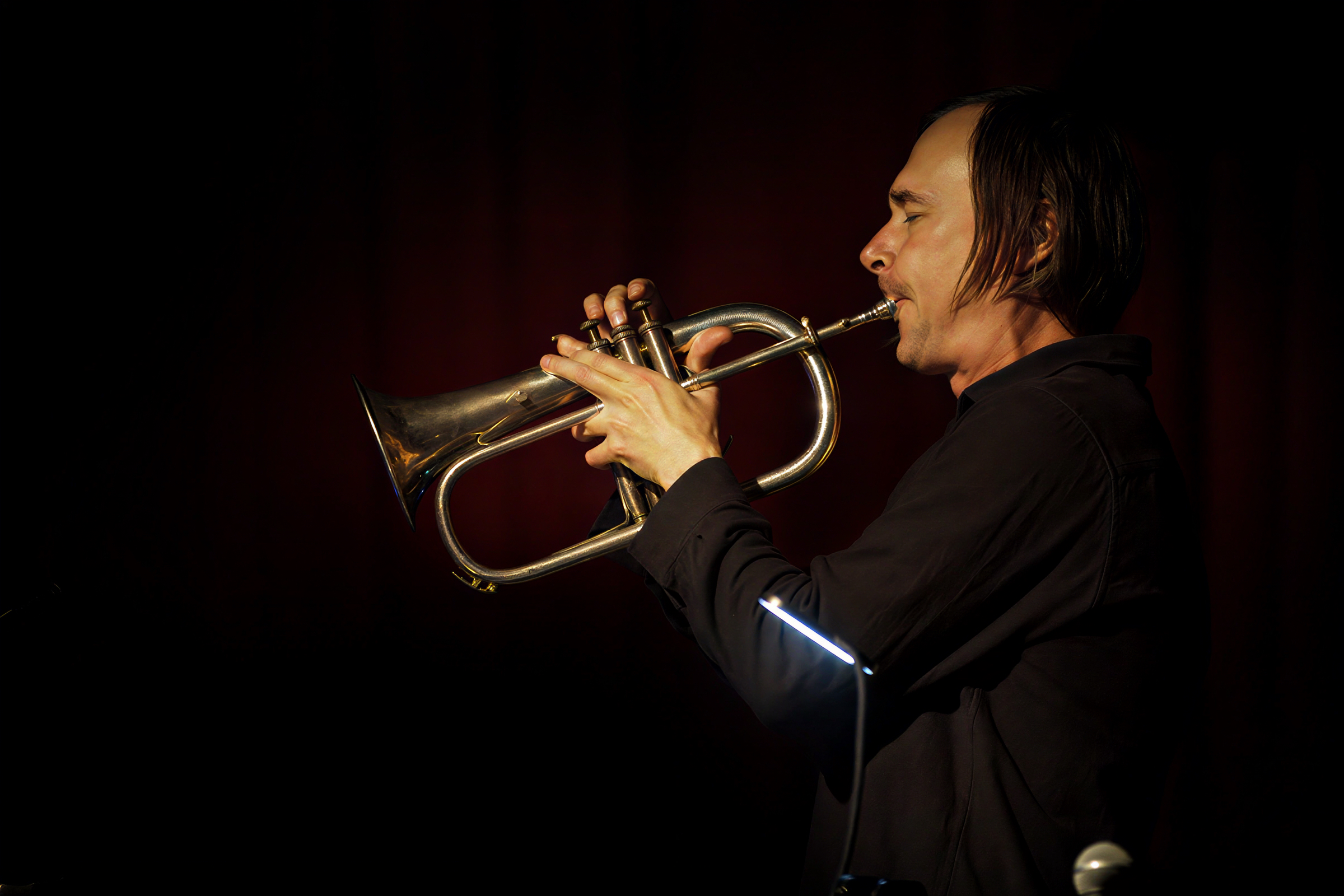
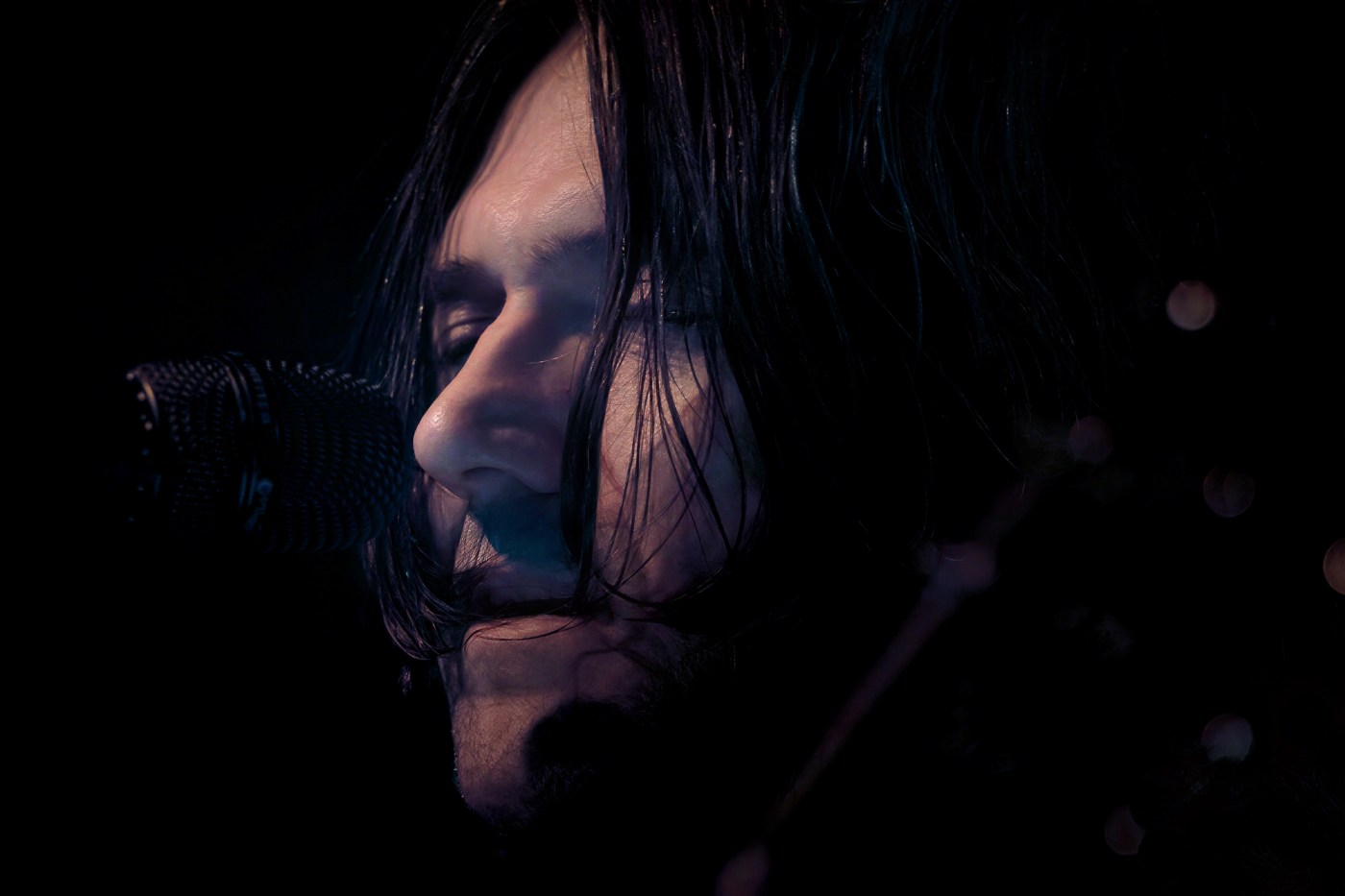
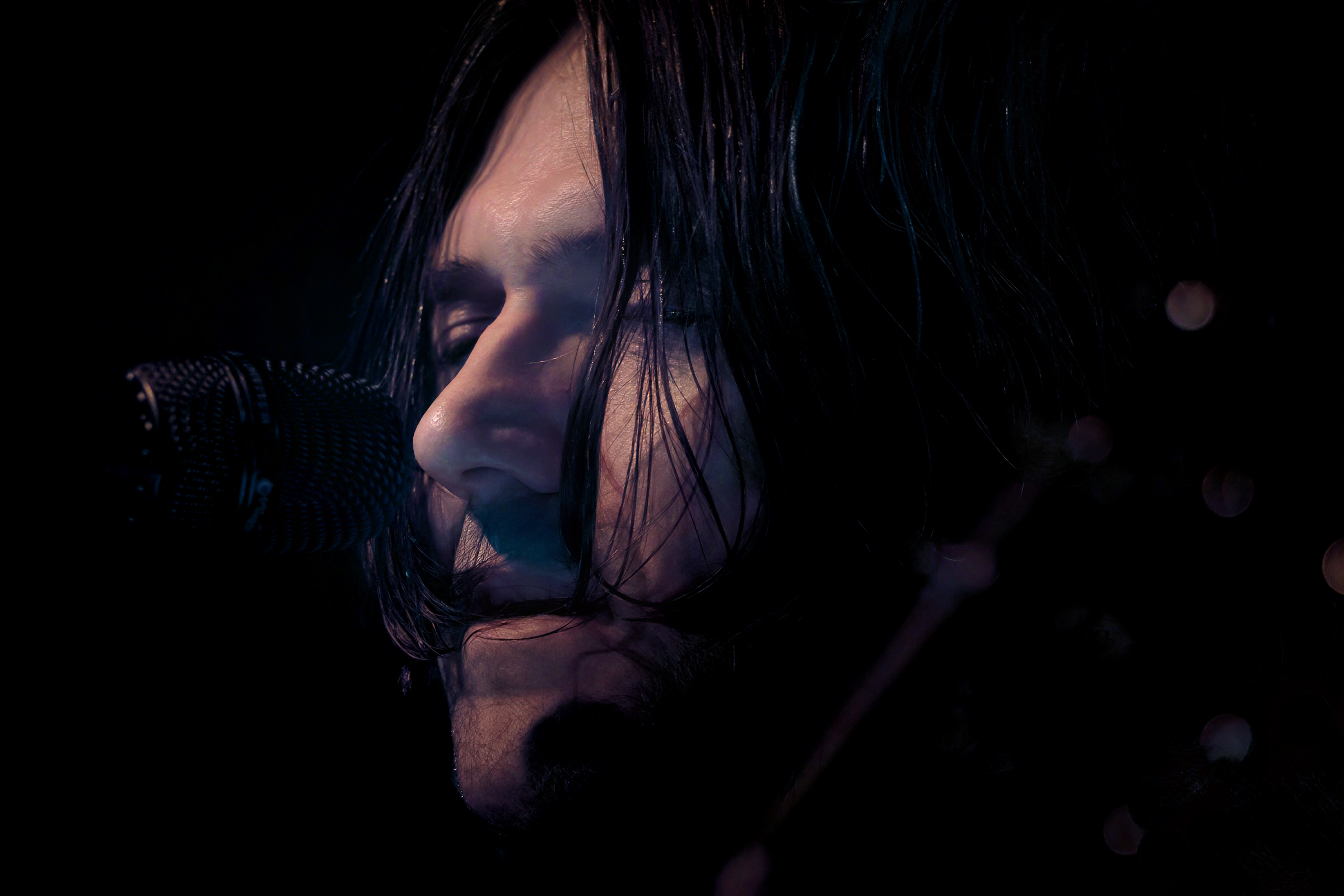
By the time Bright Eyes took the stage, the crowd was amped, greeting Oberst and the rest of the band with loud cheers that continued to build as the performance progressed. Despite the weather outside and the difficult travel conditions some had experienced getting there, the atmosphere inside The Orange Peel remained surprisingly positive, with the band locked in and the audience responding enthusiastically to songs many had never heard live before or hadn’t experienced in years.
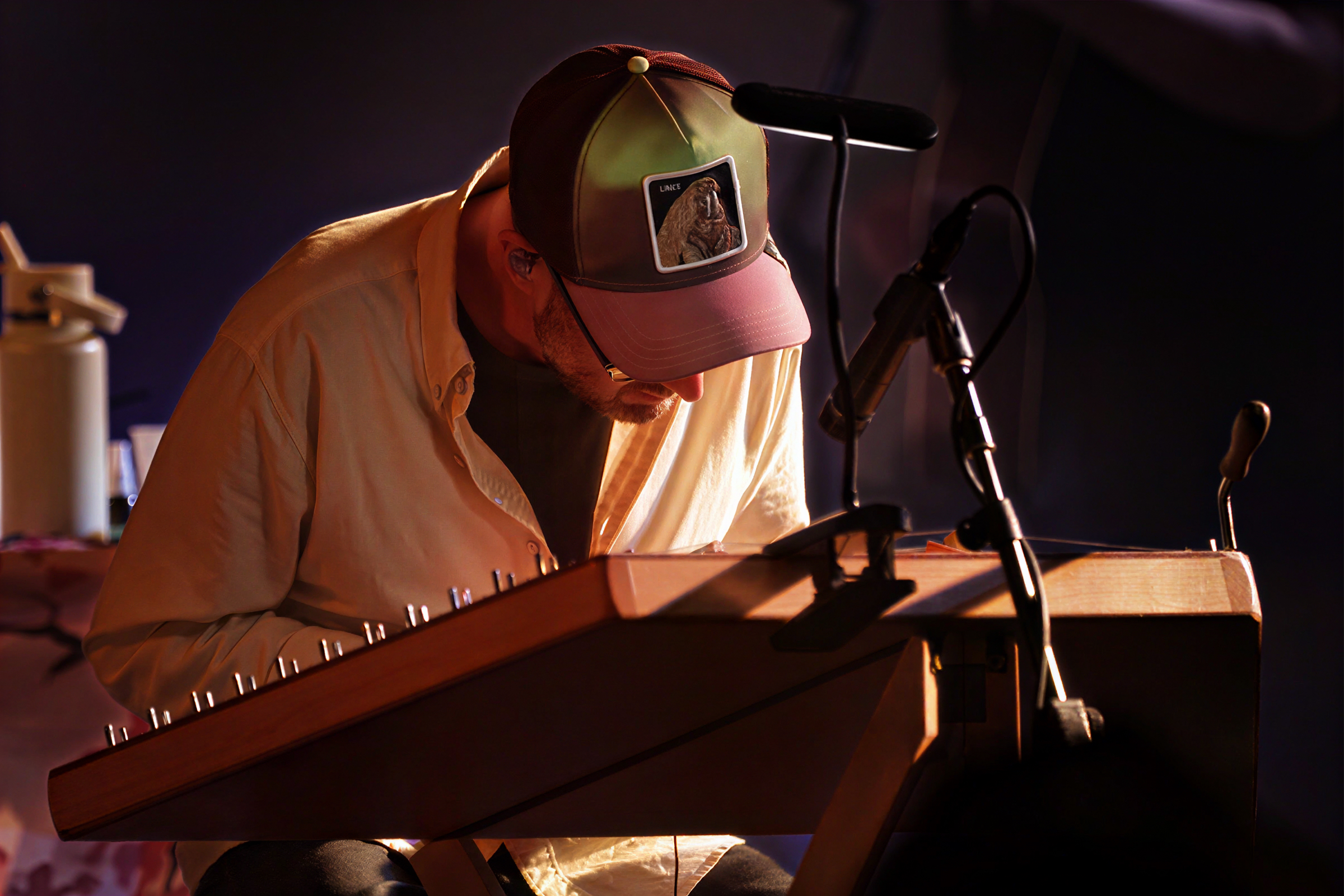
For longtime Bright Eyes fans, the current tour has offered something particularly exciting, as the band has been digging into its catalog and bringing back material that has rarely appeared in their performances over the past fifteen to twenty years. Rather than relying primarily on familiar singles and traditional crowd favorites, Bright Eyes have been revisiting some of their more overlooked recordings, with songs rotating in and out of the setlist from one stop to the next.
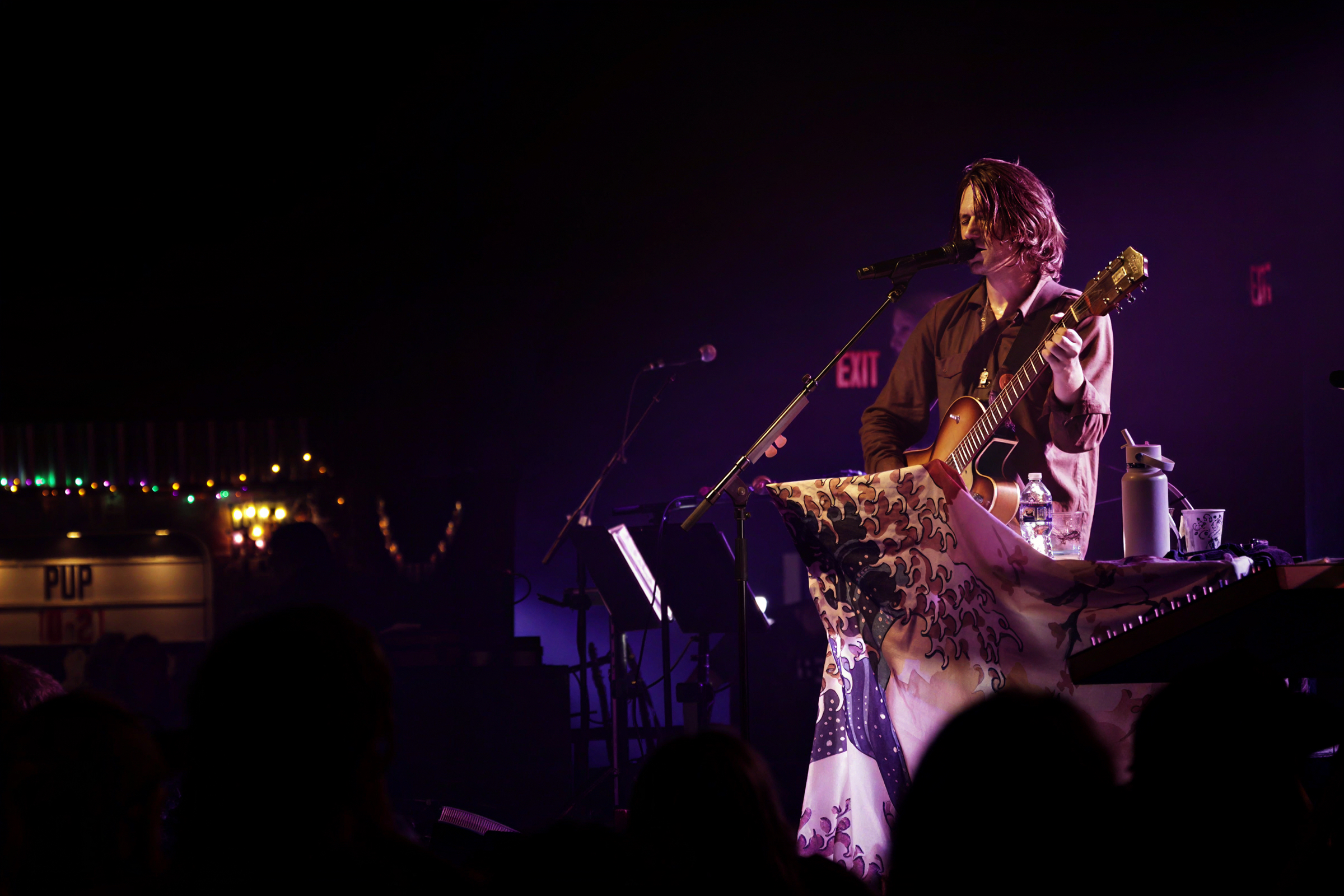
The Asheville performance opened with “Don’t Know When but a Day Is Gonna Come,” from 2002’s LIFTED or The Story Is in the Soil, Keep Your Ear to the Ground, setting the tone for an evening that would draw heavily from the band’s earlier work. Songs including “False Advertising,” “Classic Cars,” “Bowl of Oranges,” “Arc of Time (Time Code),” and “From a Balance Beam” followed throughout the set, while selections such as “Laura Laurent,” “The Vanishing Act,” “Well Whiskey,” “Trees Get Wheeled Away,” and “Cartoon Blues” demonstrated just how far into their history the band was willing to reach.
The significance of these selections becomes even more apparent when looking at the tour as a whole. “Solid Jackson,” one of the band’s early recordings, has found its way back into the setlist for the first documented time since 2003, while “Well Whiskey” has resurfaced after an absence dating back to 2006. Other songs, including “The Vanishing Act,” “Trees Get Wheeled Away,” and “Cartoon Blues,” have also made welcome returns after extended absences from the band’s live performances.
For any fans who have followed Bright Eyes for years, these aren’t simply uncommon album tracks being added to a setlist for the sake of variety. Many are songs that listeners have developed deep personal connections with over the years but may have never had the opportunity to experience live, making their return particularly meaningful. While the deeper selections were undoubtedly a major draw, the moment that stood out most to me came during “No One Would Riot for Less.” Although it wasn’t necessarily the rarest song performed that evening, the combination of Oberst’s vocal delivery, the musicianship of everyone sharing the stage, and the arrangement itself made it one of the most memorable performances of the night. Everything about the song seemed to come together in the best possible way, with the layered instrumentation complementing Oberst’s vocals without overwhelming them. It was one of those performances where the emotional weight of the music translated especially well to a live setting, making it a true chef’s-kiss moment for me.
That said, singling out one particular song almost feels unfair to the rest of the performance, as there really wasn’t a selection throughout the evening that felt out of place. Despite pulling material from different periods of the band’s career, the set flowed naturally, with each song contributing to an evening that was cohesive, rewarding, and full of moments that longtime fans could appreciate.
In many ways, it felt like a greatest-hits playlist made up entirely of songs you may have forgotten about, which speaks volumes about the quality of music Bright Eyes have to draw from at any given time.
When a band can reach into its catalog for material that hasn’t been performed in well over a decade and assemble a set that feels this strong, it’s a reminder of just how much depth exists beyond the songs that typically receive the most attention.
The band’s decision to play relatively intimate venues on this tour only enhances the experience. For music that can shift between quiet, vulnerable moments and expansive, instrumentally dense arrangements, a room like The Orange Peel provides an ideal setting for these songs to connect with listeners in a way that might not translate quite the same in a considerably larger venue. There’s also something particularly fitting about revisiting this material with a touring ensemble whose members share so much musical history.
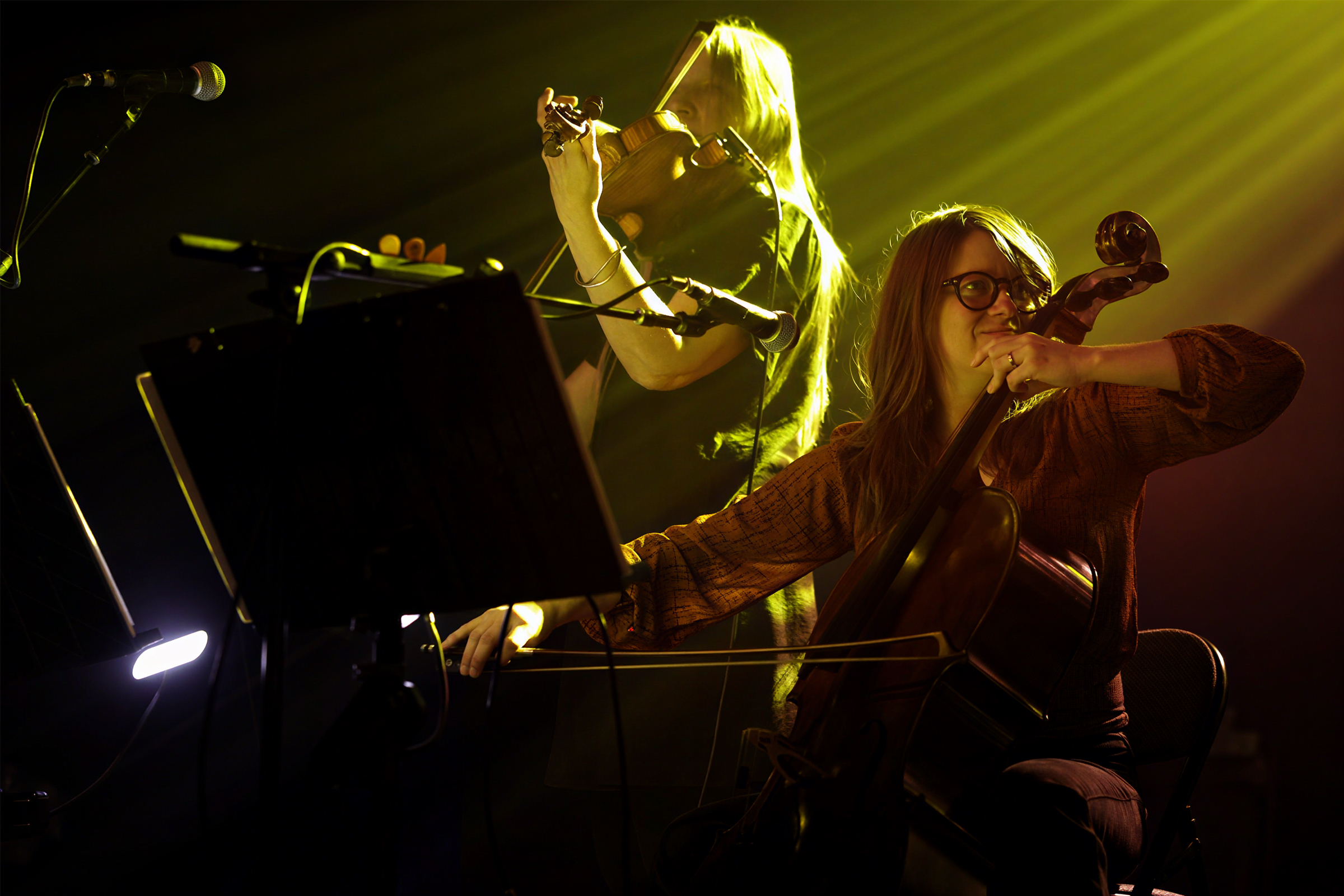
With musicians closely connected to the Omaha scene that helped shape Bright Eyes’ early identity, the older songs feel right at home within the current lineup, while the additional instrumentation and vocal arrangements allow them to take on new life rather than simply recreating their original recordings.
As the performance moved toward its conclusion, songs including “Lua” and an encore featuring “Hot Knives,” “Make War,” and “Dance and Sing” continued the balance between familiar material and selections that don’t always find their way into a typical Bright Eyes performance. The band’s ability to move between different periods of its history without disrupting the overall flow of the evening was one of the most impressive aspects of the set.
It’s difficult to say much about Bright Eyes that hasn’t already been said over the years, particularly when it comes to the quality of their songwriting and the emotional connection so many listeners have developed with their music. Lyrically and musically, the band has consistently delivered, while never allowing themselves to be boxed into one particular sound or style. That willingness to explore different musical directions has resulted in a catalog that continues to offer something meaningful to listeners, regardless of which period of the band’s career first drew them in. It’s also what makes a tour like this possible, as songs from vastly different records can share the same setlist while still feeling like they belong together.
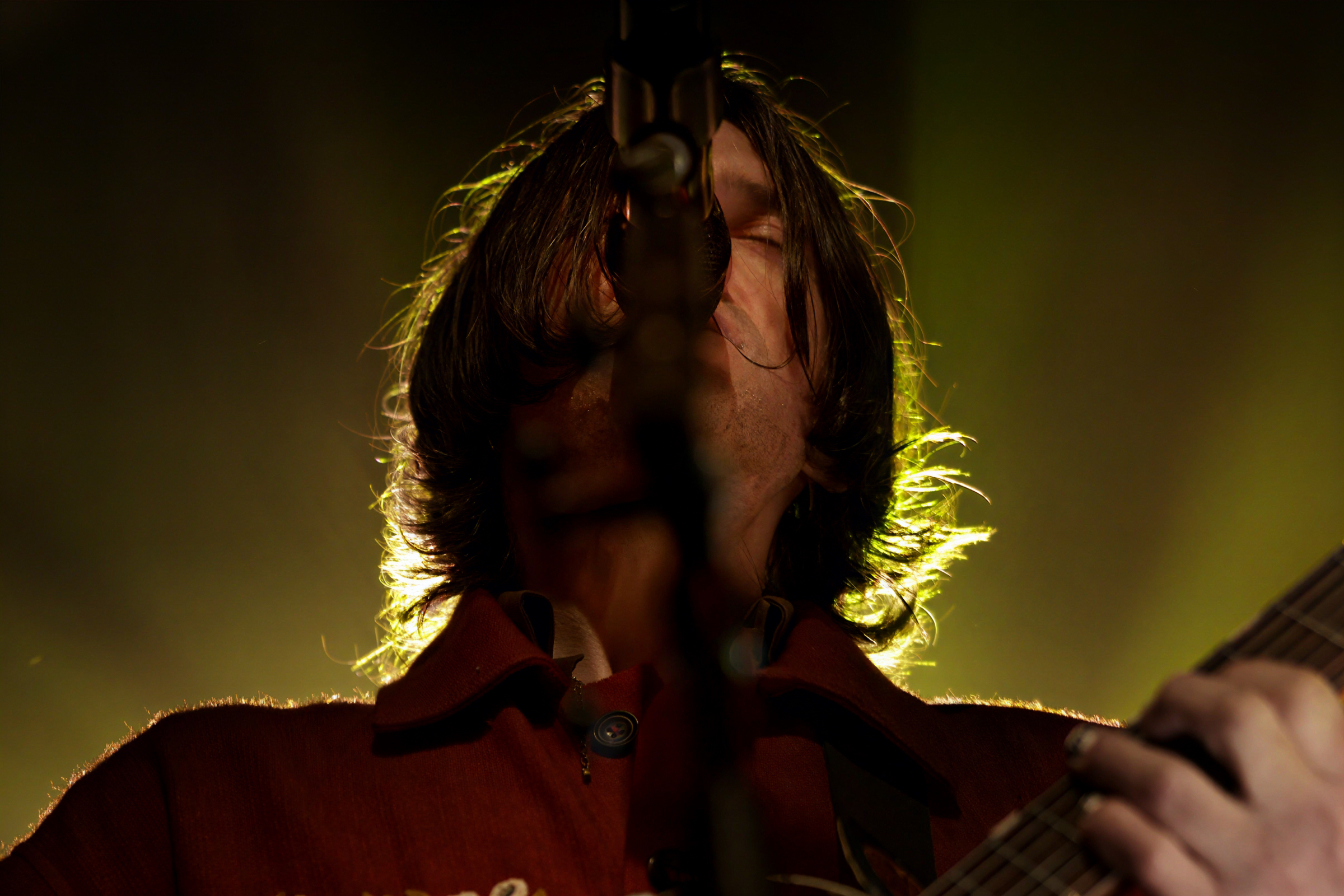
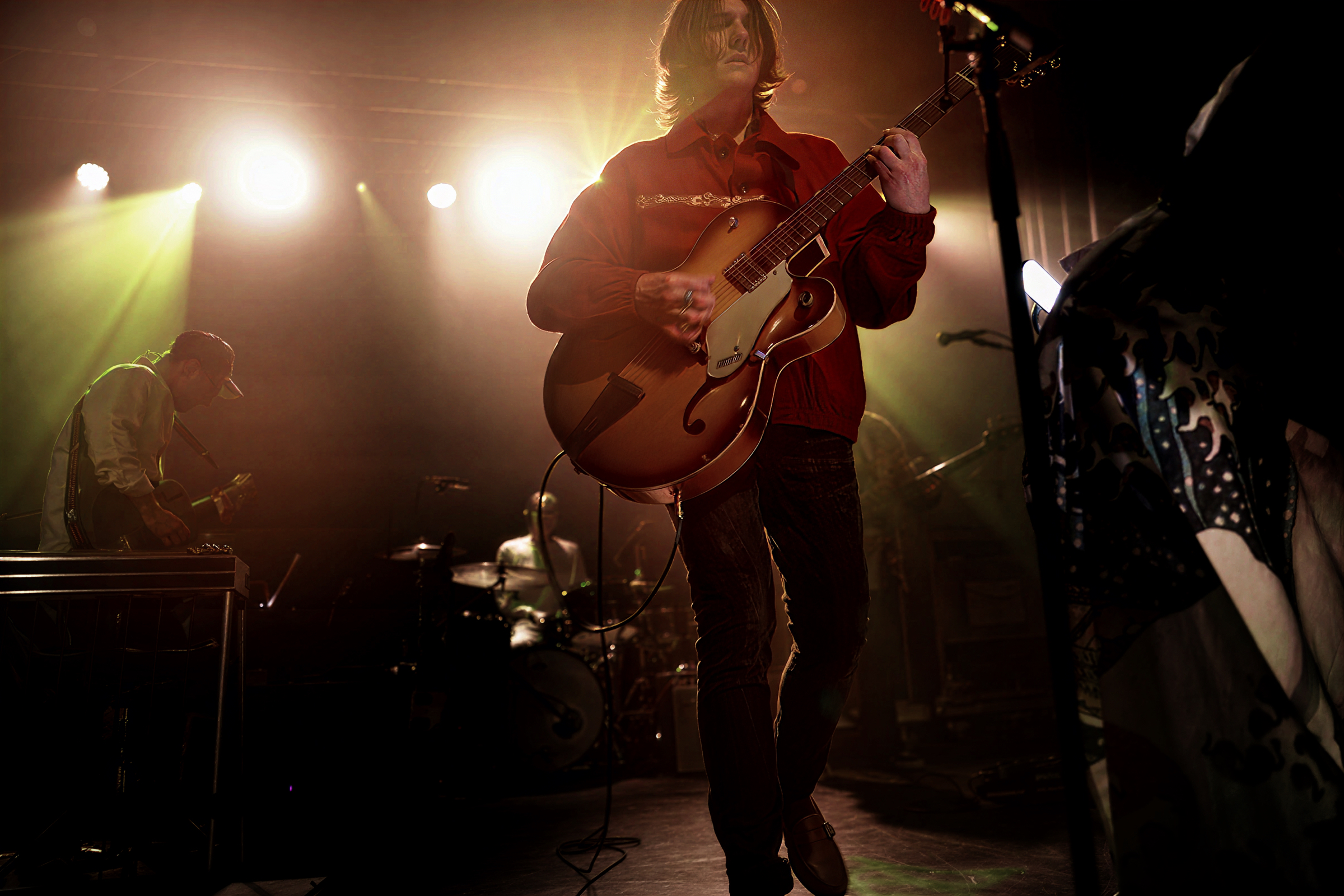
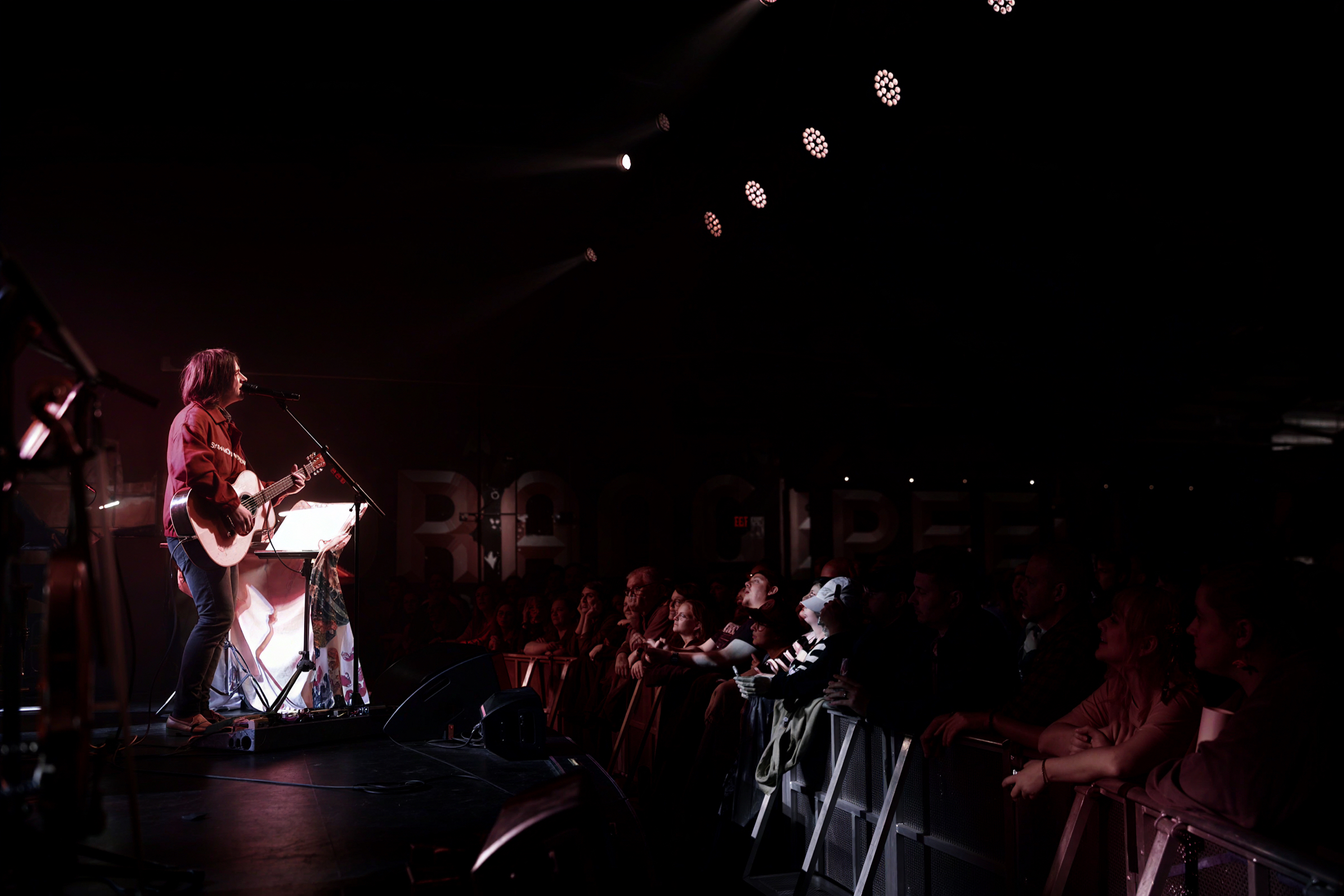
The importance of these songs hasn’t diminished simply because some of them have spent fifteen or twenty years outside the band’s regular live rotation. If anything, hearing them performed again in an intimate setting reinforces the value they continue to hold for fans, particularly those who may have never expected to hear certain favorites played live. By the end of the evening, the miserable conditions surrounding the journey into Asheville had become part of the experience, although fortunately not the defining memory of the night. Lullaby for the Working Class had delivered a reunion performance that demonstrated why their music remains worth discovering decades later, while Bright Eyes offered an equally compelling reminder of just how deep their catalog runs.
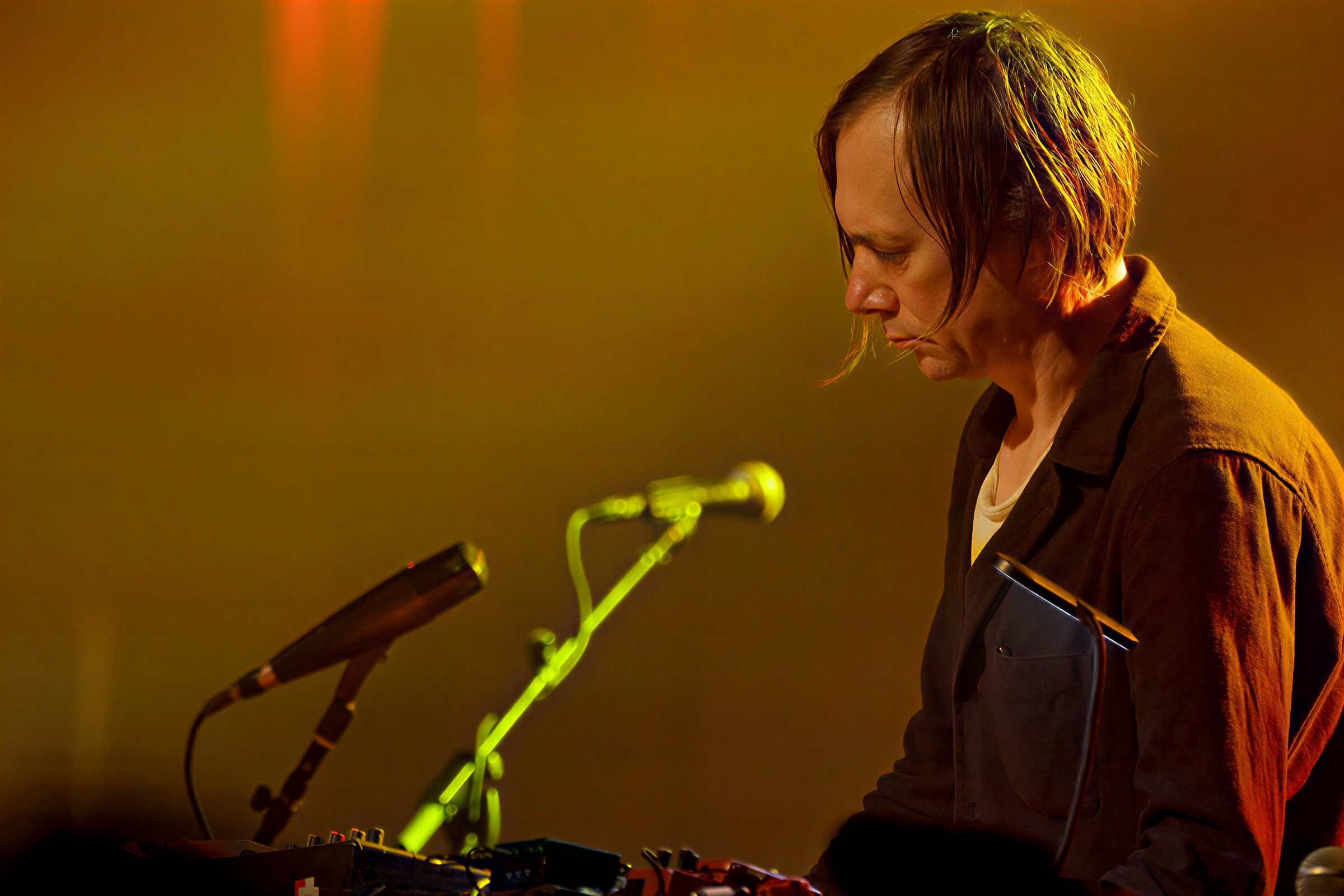
Whether you’ve seen Bright Eyes numerous times over the years or have yet to experience them live, this tour offers something that doesn’t come around particularly often. With the band changing selections between stops, bringing back songs that haven’t been performed in years, and choosing rooms that allow the music to connect with audiences on a more personal level, there’s a very real possibility of hearing something you may not get another opportunity to experience anytime soon.
For longtime fans especially, this isn’t a tour I’d recommend missing. The band’s willingness to revisit overlooked material has resulted in a live experience that feels every bit as relevant and rewarding as the music did when many of these songs were first released. For those who braved the rain to make it to The Orange Peel, the evening was a memorable reminder that sometimes the most rewarding concerts are the ones that require a little extra effort to attend.